


Short answer
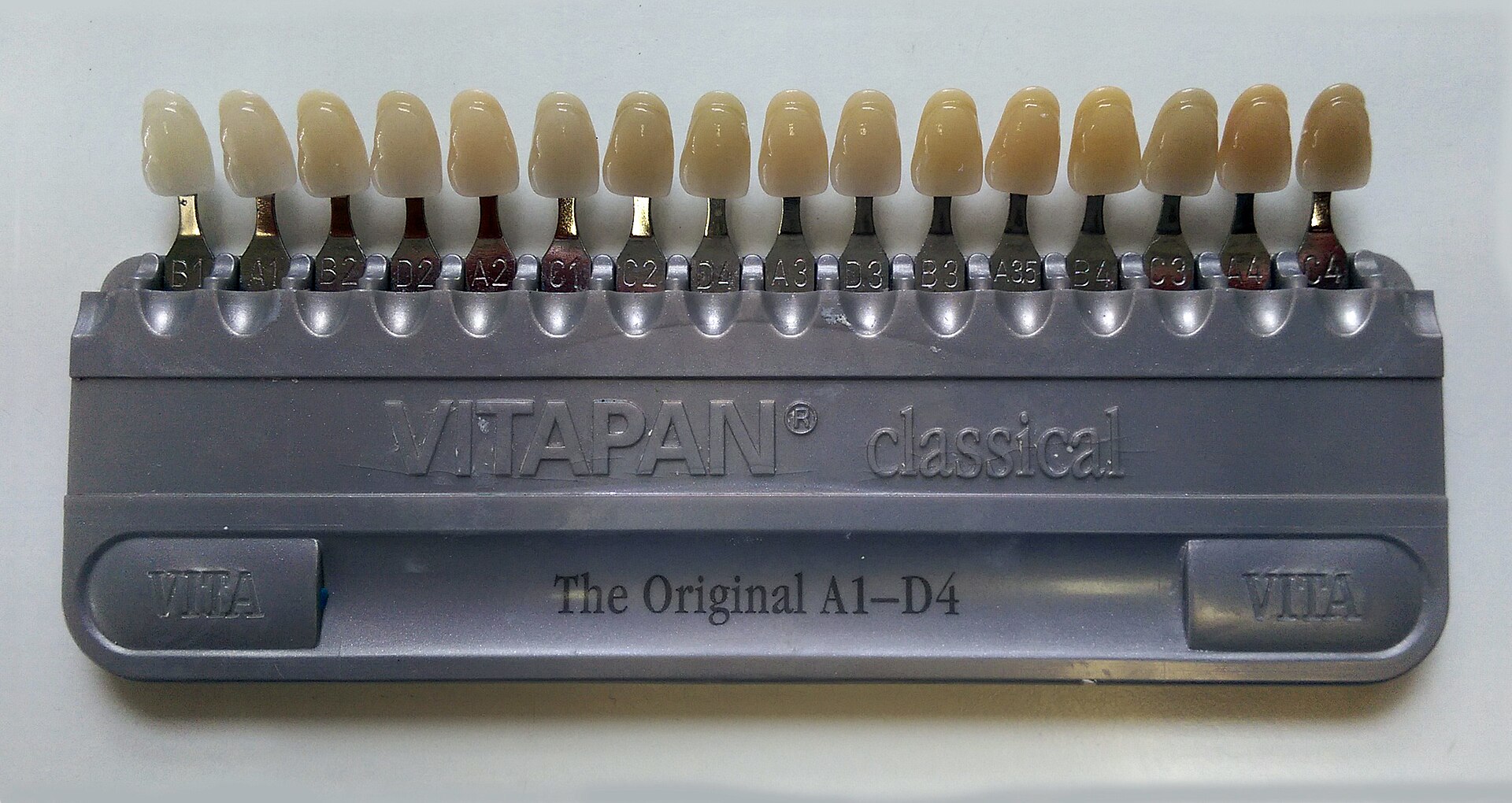
Composite bonding is tooth-coloured resin shaped onto the tooth in one visit, usually with little or no drilling, and it can be repaired or added to later. Porcelain veneers are thin ceramic shells made in a laboratory and glued on, usually after a thin layer of tooth is removed. Porcelain tends to last longer and resist staining; bonding keeps more options open.
Key takeaways
- Bonding is built on the tooth; veneers are made off it. Composite is shaped by hand in the chair, while porcelain veneers are usually made in a laboratory and fitted at a second visit.
- Veneer preparation cannot be undone. The Better Health Channel notes that once a tooth is cut for a veneer, it may always need a veneer.
- Porcelain tends to hold up longer. Morimoto and colleagues (2016) estimated 89% of ceramic veneers were still in place at a median of nine years; Lim and colleagues (2023) pooled 88% for composite veneers over 24 to 97 months.
- Composite stains and roughens more, but a chip can usually be repaired in the chair rather than the whole thing replaced.
- Neither fixes decay, gum disease or a bite problem, so those come first, and whitening is usually done before any shade is matched.
Jump to a section 10
- What is the difference between composite bonding and veneers?
- Composite bonding vs porcelain veneers at a glance
- How long do bonding and veneers last?
- Which option suits which problem?
- What happens at each appointment
- Risks, results and the alternatives
- Looking after bonding or veneers
- What changes the cost
- Questions to ask before you decide
- Frequently asked questions
What is the difference between composite bonding and veneers?
Both change how the front of a tooth looks: its shape, length, colour or the gap beside it. The difference is the material and where the work is made.
When people compare bonding with veneers, they usually mean composite resin against porcelain. Composite can also be used as a full veneer, so it helps to separate three things.
Composite bonding
Composite resin is a tooth-coloured mix of plastic and glass. Colgate Australia’s guide to dental bonding describes the dentist choosing a matching shade, roughening the tooth surface, applying the resin, setting it with a curing light, then trimming and polishing it. Bonding can repair a chip, close a small gap, lengthen a short tooth or cover a small stain, often on just part of the tooth. We explain more in our earlier guide, what is composite bonding.
Composite veneers
A composite veneer uses the same resin to cover the whole front surface of a tooth. healthdirect’s page on veneers explains that composite veneers are applied directly to the front of the tooth in layers, then shaped, polished and colour matched, usually in one visit. Some trimming of the tooth may be needed, and local anaesthetic may be used for that step.
Porcelain veneers
A porcelain (ceramic) veneer is a thin shell made to fit the front of the tooth. The Better Health Channel describes taking a mould or digital scan, sending it to a laboratory for the ceramic to be custom made, and a second appointment to glue it on. healthdirect notes that ceramic veneers can also be milled in the surgery and fitted the same day. Our veneers in Burwood page covers both porcelain and composite options.
Composite bonding vs porcelain veneers at a glance
The table sets the two side by side on the points people ask about most. Composite veneers sit between them: the same resin as bonding, covering the whole front of the tooth.
| Composite bonding | Porcelain veneers | |
|---|---|---|
| Material | Tooth-coloured composite resin | Ceramic, made to fit the tooth |
| Where it is made | Shaped on the tooth in the chair | Usually a dental laboratory |
| Visits | Often one | Usually two or more |
| Tooth removed | Little or none for small bonding | A thin layer, usually from the front surface |
| Can it be undone? | Often, where no tooth was removed | No, once a tooth is cut it may always need a veneer |
| Staining | Picks up stain from tea, coffee and smoking over time | Resists staining better |
| If it chips | Usually repaired in the chair | Usually replaced |
| Colour change later | Can be resurfaced or replaced | Cannot be changed once fitted |
| Relative cost | Usually lower per tooth | Usually higher per tooth |
How long do bonding and veneers last?
Neither has a fixed lifespan. Dentists measure this as survival: the share of restorations still in place and working after a set time. The studies below describe groups of teeth across many patients, not what will happen to yours.
Composite bonding and composite veneers
Colgate Australia says bonding usually lasts several years before it needs repair, depending on how much was done and your habits. In a 2017 paper in Brazilian Oral Research, Demarco and colleagues reported annual failure rates of 1% to 5% for composite restorations on front teeth, and noted that front teeth were mostly redone for appearance rather than because they broke.
For full composite veneers, a 2023 meta-analysis by Lim and colleagues pooled three randomised trials and found 88% were still in place, with follow-up of 24 to 97 months. Surface roughness, colour mismatch and staining at the edges were the problems reported most. Veneers built directly on the tooth did better than composite veneers made outside the mouth.
Porcelain veneers
A 2016 meta-analysis by Morimoto and colleagues pooled 13 studies and estimated 89% of ceramic veneers were still in place at a median of nine years: 94% for glass ceramic and 87% for feldspathic porcelain. Chipping or fracture (4%), coming unstuck (2%), staining at the margin (2%), problems with the nerve of the tooth (2%) and new decay (1%) were the complications they measured.
A newer analysis of 29 studies by Klein and colleagues, published in 2025, pooled survival of about 94% to 97% at 10.4 years across three ceramic types, with lithium disilicate veneers showing fewer complications than feldspathic ones.
Reading these figures fairly
The studies used different patients, materials and follow-up times, so they cannot be compared number for number. Individual results vary. Your bite, any grinding, your gums and how you care for your teeth matter more to your own result than any average does.
Which option suits which problem?
There is no single right answer, and a careful assessment often lands on a mix: bonding on one tooth, nothing on the next. These are the patterns that usually shape the advice.
When bonding is often suggested
- A small chip or a worn edge on one or two teeth
- A small gap between front teeth
- A tooth that is a little short or slightly out of shape
- When you want to keep as much natural tooth as possible, or keep the option of changing course later
When porcelain veneers are often suggested
- Several front teeth that are worn, chipped or misshapen together
- Deep staining that whitening does not lift and resin cannot hide well
- Where staining of composite has been a problem before
- When you want a finish that resists stain, and you accept that preparing the tooth cannot be reversed
When neither is the right first step
healthdirect points out that veneers do not fix tooth decay or bite problems, and may not suit people who grind or clench their teeth or who have gum disease. Crooked teeth may be better moved with clear aligners or braces first, and general yellowing may respond to teeth whitening alone. A badly broken tooth may need a crown instead.
Whiten first, if you plan to whiten
Neither composite nor porcelain responds to whitening products. If you want lighter teeth overall, whitening is usually done before the bonding or veneers are matched to them.
Not sure whether bonding or veneers fits your teeth?
Book a cosmetic consultation in Burwood. We will look at your teeth, gums and bite, explain whether bonding, veneers, whitening or something else makes sense, and give you a written plan and fee before you decide.
What happens at each appointment
The process is quite different for each, which is part of what you are choosing between.
Composite bonding or composite veneers
- Assessment and shade. The dentist checks the tooth, your gums and your bite, and picks a resin shade to match.
- Preparing the surface. The tooth is lightly roughened and a conditioning liquid applied. Colgate Australia notes that anaesthetic is often not needed unless decay is being treated.
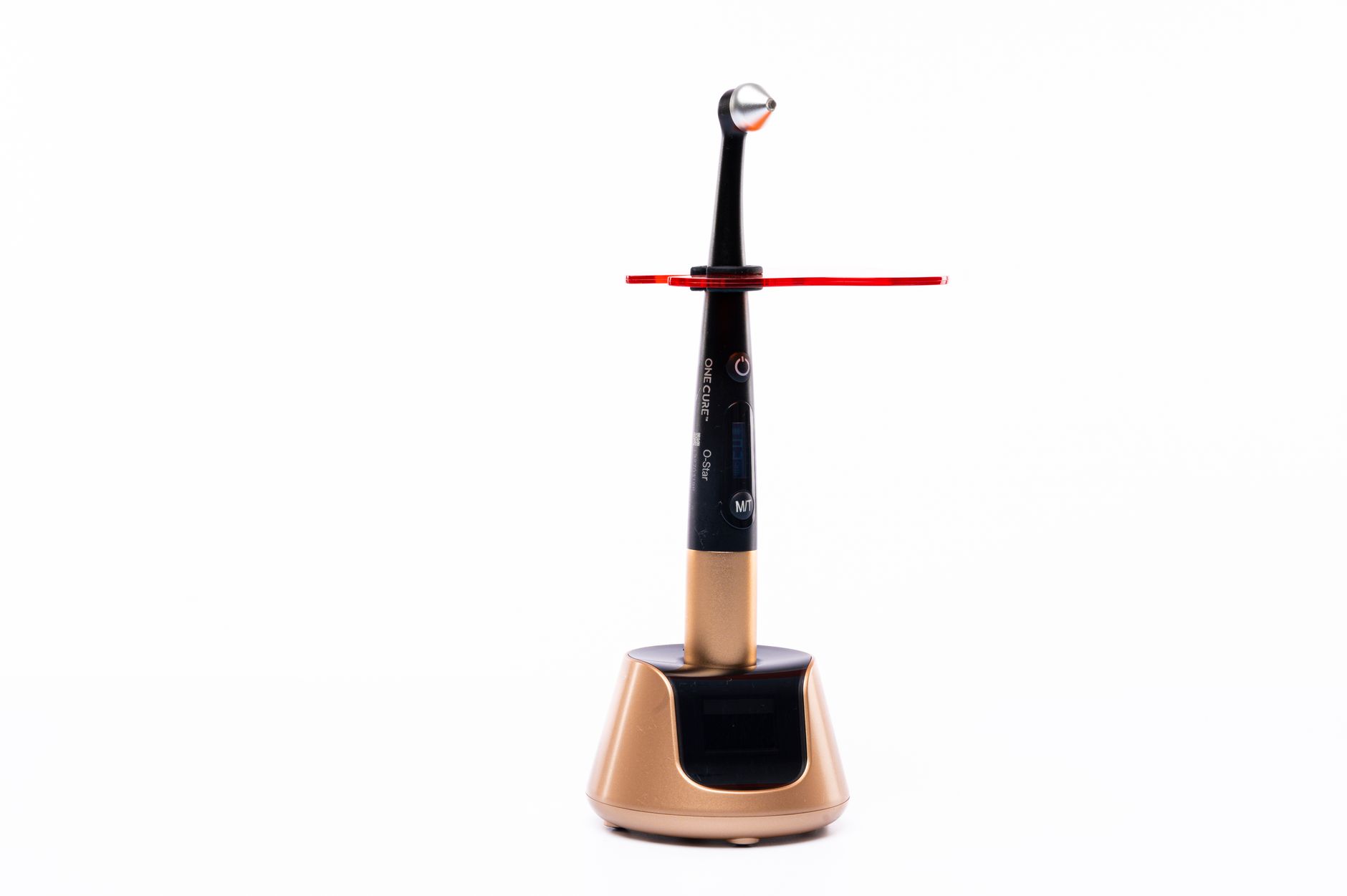
- Building and shaping. Resin is added in layers, shaped by hand and set with a curing light.
- Polishing and bite check. The surface is polished and your bite checked. Colgate suggests calling your dentist if an edge feels sharp or the bite feels wrong in the days after.
Porcelain veneers
- Assessment and planning. Examination, X-rays if needed, and a discussion of shape and shade.
- Preparing the tooth. A thin layer is removed from the front of the tooth, usually under local anaesthetic.
- Scan or impression. A mould or digital scan goes to the laboratory, and a temporary covering may be placed.
- Fitting. At the second visit the veneer is tried in, adjusted and bonded to the tooth.
Risks, results and the alternatives
Both treatments carry risks, and preparing a tooth for a veneer is not reversible. healthdirect lists the material risks of veneers as increased tooth sensitivity where enamel is removed, jaw pain, a veneer cracking or falling off, edges becoming visible if the gum shrinks, a colour that cannot be changed once applied, and other teeth darkening so they no longer match. Morimoto’s 2016 data also recorded problems with the nerve of the tooth in about 2% of ceramic veneers, which may then need root canal treatment.
Composite bonding carries smaller but real risks: it can chip, stain, roughen or come away and need repair, and a shape change can alter how your teeth meet. Where tooth is trimmed for a composite veneer, the same sensitivity risk applies.
Results vary from person to person, and the final look depends on your teeth, gums, bite and habits. Alternatives include leaving your teeth as they are, whitening, a small resin repair, orthodontic treatment, crowns, and removable clip-on veneers.
Whether either option suits you depends on an examination. Our treatment risks and suitability page explains more, and you are always welcome to seek a second opinion before you go ahead.
Looking after bonding or veneers
Care is much the same for both, and it is the same care your natural teeth need.
- Brush twice a day and clean between your teeth, paying attention to where the restoration meets the gum.
- Go easy on stains with composite, especially in the first two days. Colgate Australia names tea, coffee and cigarette smoke.
- Do not bite nails, pens or ice, or open packets with your teeth.
- Ask about a night guard if you grind, since grinding chips both materials.
- Keep up regular check-ups and cleans so edges, staining and your gums can be checked early.
What changes the cost
healthdirect notes that porcelain veneers usually cost more than resin. The fee for either depends on how many teeth are involved, the material, whether laboratory work is needed, any whitening or gum treatment beforehand, and how much repair or replacement you may need over the years. A cheaper start can cost more over time if it needs frequent repairs, and the reverse can also be true.
At our dental practice in Burwood, we give you a written treatment plan and fee after an examination, and payment plans are available for larger treatment.
Questions to ask before you decide
Whoever you see, these questions help you compare advice fairly:
- How much tooth will be removed, if any, and can it be undone?
- Is there anything to treat first, such as decay, gum disease, grinding or crowding?
- Should I whiten before the shade is chosen?
- What happens if it chips, and what does a repair involve?
- How long might it last for someone with my bite and habits, and what would replacement involve?
- What are my other options, including doing nothing?
Frequently asked questions
Is composite bonding cheaper than veneers?
Usually, per tooth, because composite is shaped in the chair without laboratory work, and healthdirect notes that porcelain veneers cost more than resin. Composite may need repair or replacement sooner, so the cost over several years can be closer than it first looks. We give you a written fee after an examination.
Is bonding reversible?
Small bonding that needs no trimming of the tooth can often be removed or redone. A composite veneer may involve some trimming, and a porcelain veneer usually involves removing a thin layer of tooth, which cannot be put back.
Do veneers ruin your teeth?
They do not ruin teeth, but they change them. The Better Health Channel notes that once a tooth is cut for a veneer, it may always need a veneer. Sensitivity, chipping and problems with the nerve of the tooth are possible, which is why an assessment and a clear plan matter.
Can you whiten bonding or veneers?
No. Whitening products lighten natural teeth, not composite or porcelain. If you plan to whiten, it is usually done first so the bonding or veneers can be matched to your lighter shade.
Are composite veneers the same as bonding?
They use the same resin. Bonding usually covers part of a tooth, such as a chip or a gap, while a composite veneer covers the whole front surface.
Can I start with bonding and move to porcelain later?
Often, yes. Because small bonding removes little or no tooth, it can be a way to try a new shape first. Moving to porcelain later still means preparing the tooth, with the same risks and permanence that brings.
In short
Composite bonding is resin shaped onto the tooth in one visit and keeps more options open; porcelain veneers are laboratory made, usually need a thin layer of tooth removed, and tend to resist staining and last longer. The right choice depends on your teeth, bite and goals.
- Bonding suits small chips, gaps and shape changes; veneers suit wider changes across several teeth.
- Veneer preparation cannot be reversed.
- Treat decay, gum disease and grinding first, and whiten before shades are matched.
- Ask about the risks and alternatives, and feel free to get a second opinion.
Talk through bonding and veneers in Burwood
Book a consultation at our Burwood practice. We will explain what each option would involve for your teeth, including whether you need either, and give you a written plan and fee before you commit.
Book a consultation Call (02) 9739 1400
Shop 2, 8 Burwood Road, Burwood NSW 2134
Sources
- Veneers (reviewed February 2025), healthdirect Australia
- Cosmetic dentistry and teeth whitening (reviewed 12 December 2025), Better Health Channel, Department of Health, Victoria
- What is teeth bonding?, Colgate Australia
- Demarco FF et al. Should my composite restorations last forever? Why are they failing? Braz Oral Res. 2017;31(suppl 1):e56, PubMed
- Lim TW et al. Survival and complication rates of resin composite laminate veneers: a systematic review and meta-analysis. J Evid Based Dent Pract. 2023;23(4):101911, PubMed
- Morimoto S et al. Main clinical outcomes of feldspathic porcelain and glass-ceramic laminate veneers: a systematic review and meta-analysis of survival and complication rates. Int J Prosthodont. 2016;29(1):38-49, PubMed
- Klein P et al. Survival and complication rates of feldspathic, leucite-reinforced, lithium disilicate and zirconia ceramic laminate veneers: a systematic review and meta-analysis. J Esthet Restor Dent. 2025;37(3):601-19, PubMed
This article is general information only and is not a substitute for individual advice from a registered dental practitioner. Individual results vary, and whether a treatment suits you depends on a clinical assessment of your teeth, gums and bite. If you are considering treatment, you are welcome to seek a second opinion. The Dental Practice is a dental practice in Burwood, NSW; our practitioners are registered with the Dental Board of Australia through AHPRA.