


Short answer
A dental crown has no fixed lifespan. A 2015 meta-analysis by Sailer and colleagues estimated that 92% to 97% of crowns were still in place after five years, depending on the material. Fewer survive to ten years, and decay at the edge, grinding, gum health and regular check-ups decide how long yours lasts.
Key takeaways
- There is no expiry date on a crown. Pooled studies (Sailer and colleagues, 2015) put five year survival at about 92% to 97%.
- Ten years is where the differences show. A large study of crowns placed in general practice in England and Wales (Burke and Lucarotti, 2009) found 68% of metal crowns and 48% of all porcelain crowns still in place at ten years.
- The crown cannot decay, but the tooth under it can, which is why the edge of a crown needs daily cleaning.
- Grinding, chewing ice and skipped check-ups shorten a crown’s life, and missing regular visits was linked to shorter survival in the 2009 study.
- A loose, chipped or sore crown is worth seeing about early, before the tooth underneath is damaged.
Jump to a section 9
- What is a dental crown?
- How long do crowns last, according to the research?
- Does the material change how long a crown lasts?
- What wears a crown out?
- Signs a crown may need attention
- How to help your crown last longer
- Risks of having a crown, and the alternatives
- What affects the cost of a crown
- Frequently asked questions
What is a dental crown?
A crown is a cap that covers the whole visible part of a tooth. healthdirect’s guide to the dental crown procedure describes it as covering an existing tooth to make a damaged or broken tooth stronger, improve how it looks and restore how it works. Crowns can be made from porcelain, zirconia, gold alloy or a combination of porcelain and metal.
A dentist may suggest a dental crown for a cracked or broken tooth, a tooth with a large filling or bad decay, a tooth that has had root canal treatment, or a tooth that is badly stained or misshapen. The Better Health Channel notes that the material depends on where the tooth sits and whether looks or strength matter more.
How a crown is fitted
healthdirect describes the steps as:
- Shaping the tooth. The dentist removes a layer of the outer tooth to make room for the crown, usually under local anaesthetic.
- A scan or impression records the prepared tooth and your bite. Some crowns are made the same day; others are made in a laboratory for a second visit.
- Fitting. The dentist checks the fit, the bite and the shape, then fixes the crown with dental cement or adhesive.
How long do crowns last, according to the research?
Dentists measure crown life as survival: the share of crowns still in place and working after a set time.
A 2015 meta-analysis in Dental Materials by Sailer and colleagues pooled 67 studies covering 4,663 porcelain fused to metal crowns and 9,434 all ceramic crowns. Estimated five year survival ranged from 92.1% to 96.6% depending on the material, as the table shows.
| Crown type | Estimated five year survival | Source |
|---|---|---|
| Porcelain fused to metal | 94.7% | Sailer et al., 2015 |
| Reinforced glass ceramic (lithium disilicate, leucite) | 96.6% | Sailer et al., 2015 |
| Alumina | 96% | Sailer et al., 2015 |
| Zirconia based (layered with porcelain) | 92.1% | Sailer et al., 2015 |
| Implant supported single crown, at ten years | 89.4% | Pjetursson et al., 2007 |
What happens by ten years
Long term figures from ordinary practice are lower than trial figures. Burke and Lucarotti followed 47,474 crowns placed in general practice in England and Wales over 11 years, publishing in 2009. At ten years, 68% of full metal crowns were still in place, against 48% of all porcelain crowns.
Those crowns were made with older materials than many used today, so the numbers are a floor rather than a forecast. What the study shows clearly is that crown type, the patient’s age, how regularly they attended, and whether the tooth was root filled in the same course of treatment all changed how long crowns lasted.
Reading these figures fairly
These are averages across thousands of crowns in many studies. Individual results vary: your bite, habits, gum health and the tooth under the crown matter more to your crown than any average does.
Crowns on implants
A crown can also sit on a dental implant rather than a natural tooth. A 2007 systematic review by Pjetursson and colleagues estimated that 89.4% of implant supported single crowns were still in place after ten years. Implants involve surgery with their own risks, so they are a separate decision.
Does the material change how long a crown lasts?
Yes, though less than people expect. Sailer’s 2015 analysis found that most all ceramic crowns performed similarly to porcelain fused to metal at five years.
- Porcelain fused to metal. A metal base with porcelain over it. The porcelain layer can chip, and a grey line can show at the gum over time.
- Glass ceramic, such as lithium disilicate. Tooth coloured and translucent, often chosen for front teeth.
- Zirconia. A very strong ceramic. In Sailer’s 2015 data, zirconia crowns layered with porcelain were more often lost to chipping of that porcelain layer and to coming loose, and did less well on back teeth.
- Gold and other metal alloys. Rarely chosen for looks, but in Burke and Lucarotti’s 2009 study full metal crowns had the longest survival at ten years.
What about solid zirconia crowns?
Many zirconia crowns are now milled from one solid block with no porcelain layer, and the evidence is younger. A 2022 meta-analysis by Lemos and colleagues of solid ceramic crowns on implants, followed for a median of 24 months, reported failures and prosthetic complications in about 2% of single crowns, with no difference between solid zirconia and lithium disilicate. Two years is not ten, so treat claims of a much longer life with care.
What wears a crown out?
healthdirect lists the problems a crown can run into: the crown coming loose, breaking, chipping, cracking or falling off; the tooth underneath breaking; decay around or under the crown; sore or swollen gums around it; and a crown that does not fit properly. The things that shorten a crown’s life are:
- Decay at the edge. The crown itself cannot decay, but the tooth where the crown meets it can, especially if plaque sits along the gum line.
- Grinding and clenching. Heavy forces at night chip porcelain and can crack the tooth underneath. A night guard is often suggested if you grind.
- Gum disease. Inflamed or receding gums expose the crown edge and the root, which decays more easily.
- Missed check-ups. Burke and Lucarotti’s 2009 study found that attendance pattern changed how long crowns lasted.
- A root canal treated tooth left without its crown. healthdirect warns that delaying the final crown or filling after root canal treatment raises the chance of the tooth breaking or needing to be removed.
Worried about an old crown, or told you need a new one?
Book a check-up in Burwood. We will look at the crown edge, the tooth and your gums, explain whether it needs work or just watching, and give you a written plan and fee before you decide.
Signs a crown may need attention
Book a check if you notice any of these, rather than waiting for the next routine visit:
- A crown that feels loose, moves, or has come off
- A chip, crack or rough edge you can feel with your tongue
- Pain when biting, or sensitivity to hot and cold around the crown
- Gums that are sore, swollen or bleeding around the crown
- A dark line, a gap or food catching where the crown meets the tooth
If a crown comes off
Keep it, keep it clean and call your dentist. Do not glue it back yourself with household glue.
How to help your crown last longer
It is the same care your other teeth need:
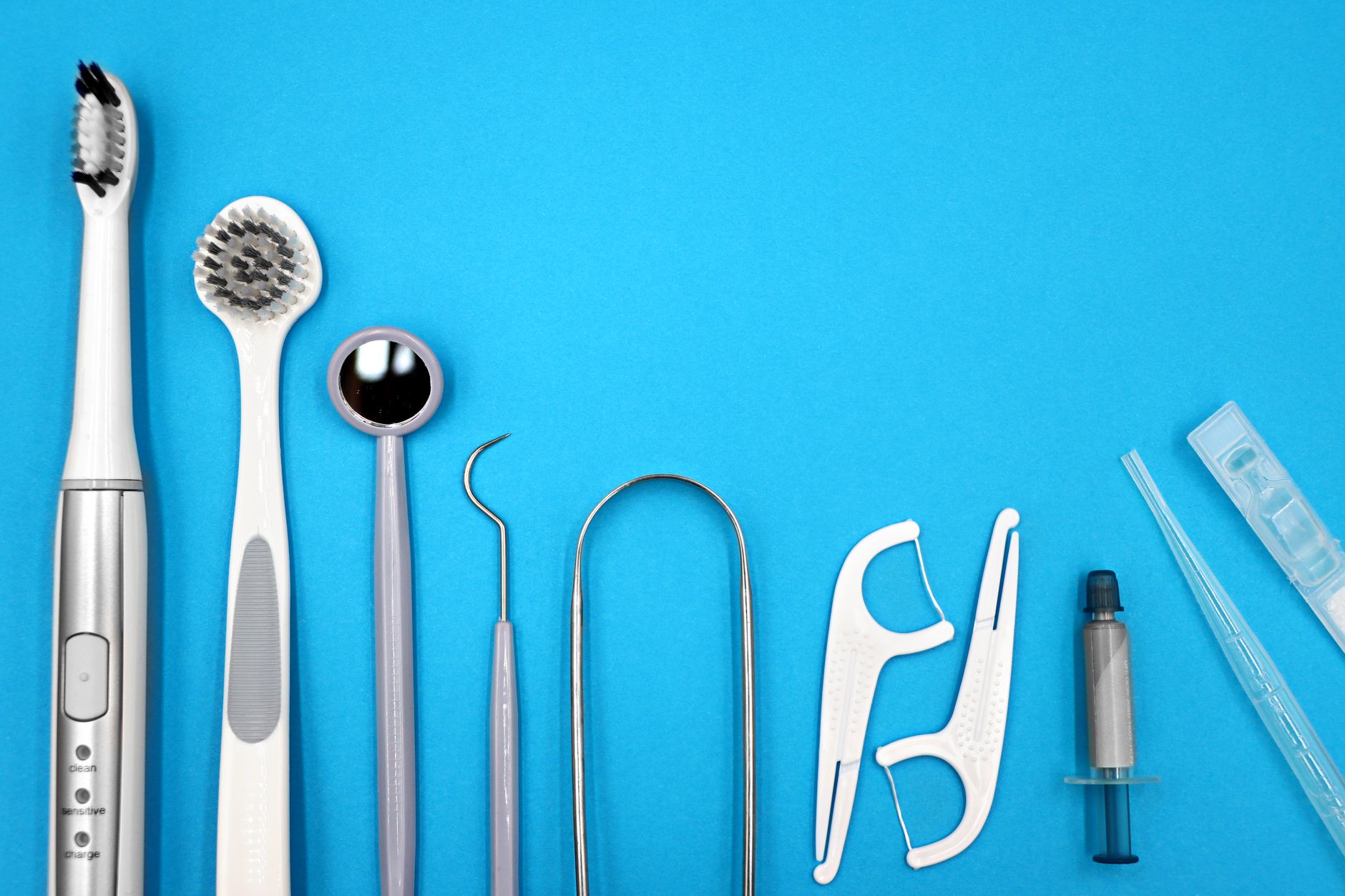
- Brush twice a day with a fluoride toothpaste, paying attention to the gum line around the crown.
- Clean between your teeth every day with floss or interdental brushes, because that is where decay at the crown edge starts.
- Wear a night guard if you grind and your dentist recommends one.
- Do not chew ice or use your teeth to open things.
- Keep up regular check-ups so the crown edge, your gums and your bite can be checked and X-rayed when needed.
Risks of having a crown, and the alternatives
A crown is not a small procedure. Shaping the tooth removes healthy tooth structure that cannot be put back, and the tooth will usually need a crown from then on. Material risks include sensitivity after the tooth is prepared, the nerve of the tooth becoming inflamed or dying (which may then need root canal treatment), the crown chipping, cracking or coming loose, decay at the edge, sore gums, a bite that feels high, and the tooth under the crown breaking. Results vary from person to person.
Alternatives depend on the tooth and can include a large filling, an onlay that covers only part of the tooth, a veneer for a front tooth with a cosmetic problem, a bridge or denture if the tooth cannot be kept, or no treatment and monitoring.
Whether a crown suits you depends on an assessment of the tooth, its root and your gums. You can read more on our treatment risks and suitability page, and you are always welcome to seek a second opinion before you go ahead.
What affects the cost of a crown
The fee depends on the material, whether the crown is made in a laboratory, whether the tooth needs a build up or root canal treatment first, how many teeth are involved, and your health fund cover. We give you a written plan and fee after an examination, and payment plans are available for larger treatment.
Frequently asked questions
How long do dental crowns last?
There is no fixed lifespan. A 2015 meta-analysis by Sailer and colleagues estimated that 92% to 97% of crowns were still in place after five years, depending on the material, and a 2009 study of general practice in England and Wales found 48% to 68% still in place at ten years. Your habits and check-ups make a large difference.
How long do zirconia crowns last?
Zirconia crowns layered with porcelain had an estimated five year survival of 92.1% in the 2015 Sailer meta-analysis, and chipping of the porcelain layer was a common problem. Solid zirconia crowns avoid that layer, but the long term evidence is still limited, so nobody can give an honest ten year figure yet.
Can a tooth with a crown still get decay?
Yes. The crown cannot decay, but the tooth where the crown meets it can. Brushing along the gum line, cleaning between your teeth every day and regular check-ups are the main protection.
Does getting a crown hurt?
The tooth is usually numbed with local anaesthetic while it is shaped, so you should feel pressure rather than sharp pain. Some tenderness or sensitivity for a few days afterwards is common. Pain that lasts or gets worse should be checked.
How do I know if my crown needs replacing?
Looseness, a chip or crack, pain on biting, sore gums around the crown, a dark line or gap at the edge, or food catching around it are all reasons to book a check. An X-ray is often needed to see what is happening under the crown.
In short
Dental crowns have no fixed lifespan. Pooled research puts five year survival at about 92% to 97% (Sailer and colleagues, 2015), with lower and more varied figures at ten years, and the care you give the tooth decides much of the difference.
- The crown cannot decay, but the tooth at its edge can.
- Grinding, hard foods and gum disease shorten a crown’s life.
- Regular check-ups catch small problems before they become big ones.
- Ask about the risks and alternatives, and feel free to get a second opinion.
Have your crown checked in Burwood
Whether you have an old crown you are unsure about or have been told you need one, book a consultation at our Burwood practice. We will explain your options, including whether you need a crown at all, and give you a written plan and fee before you commit.
Book a consultation Call (02) 9739 1400
Shop 2, 8 Burwood Road, Burwood NSW 2134
Sources
- Dental crown procedure (reviewed February 2025), healthdirect Australia
- Dental treatment (reviewed 3 June 2026), Better Health Channel, Department of Health, Victoria
- Dental bridge, healthdirect Australia
- Sailer I et al. All-ceramic or metal-ceramic tooth-supported fixed dental prostheses (FDPs)? A systematic review of the survival and complication rates. Part I: Single crowns (SCs). Dent Mater. 2015;31(6):603-23, PubMed
- Burke FJ, Lucarotti PS. Ten-year outcome of crowns placed within the General Dental Services in England and Wales. J Dent. 2009;37(1):12-24, PubMed
- Pjetursson BE et al. Comparison of survival and complication rates of tooth-supported fixed dental prostheses (FDPs) and implant-supported FDPs and single crowns (SCs). Clin Oral Implants Res. 2007;18 Suppl 3:97-113, PubMed
- Lemos CAA et al. Survival and prosthetic complications of monolithic ceramic implant-supported single crowns and fixed partial dentures: a systematic review with meta-analysis. J Prosthet Dent. 2024;132(6):1237-49, PubMed
This article is general information only and is not a substitute for individual advice from a registered dental practitioner. Individual results vary, and whether a treatment suits you depends on a clinical assessment of your teeth, gums and bite. If you are considering treatment, you are welcome to seek a second opinion. The Dental Practice is a dental practice in Burwood, NSW; our practitioners are registered with the Dental Board of Australia through AHPRA.